
- Riyuegu
- Xiamen
Xiamen Travel Planning Guide

Three full days in Xiamen is the sweet spot for most first-time visitors. It gives you enough time to cover the main areas without rushing, lets you adjust to travelling in China, and leaves room to explore at your own pace. Two days work if you’re genuinely pressed for time, though you’ll feel it. Four to five days makes sense if you travel slowly, want proper rest time, or plan to include activities outside the immediate city center.
The decision isn’t really about how many sights you can tick off. Xiamen isn’t built that way. Much of what makes the city interesting comes from walking between neighborhoods, moving along the waterfront and spending time in places where everyday life continues around you. How long you stay affects how rushed your days feel more than how much you can technically accomplish.
This guide breaks down what two-day, three-day, and four-to-five-day stays actually feel like in practice, so you can choose a length that matches how you prefer to travel.
How Xiamen Shapes Your Time
Xiamen’s geography quietly determines how your days unfold.
The city is coastal and partly island-based. Several of its most characteristic areas are designed for slow walking rather than short visits. One of the main attractions sits on a separate island and requires a ferry, which means it naturally absorbs most of the day once you factor in transport, walking, and crowds. It’s not something you can meaningfully speed through.
Getting around the city itself is straightforward – there’s a metro, buses are frequent, and taxis work fine. But the first day or two usually moves more slowly than you expect. You’re adjusting to transport systems, figuring out payment apps, navigating language barriers. None of this is difficult, but it takes mental energy even when everything goes smoothly.
Beyond the well-known walking routes, Xiamen has plenty of everyday places that don’t announce themselves as tourist attractions: wet markets where locals shop for produce and seafood, old streets lined with traditional shophouses, narrow historic alleys, neighborhood temples with incense burning, café-lined pockets tucked into former industrial zones. These places are easy to reach, but they only really make sense when you’re not rushing from one scheduled stop to the next.
Some activities are inherently full-day commitments. Gulangyu absorbs most of the day once you factor in ferries and crowds. Others, like temple visits, old town exploration, or hot spring experiences, typically require a half-day.
This half-day and full-day structure is a consistent pattern across how activities in Xiamen function, rather than a quirk of individual attractions.
Understanding these time blocks helps more than trying to calculate how many ‘things’ you can fit in.
If you’re visiting in summer, lighter schedules make outdoor days significantly more manageable. Cooler months are generally better for sustained exploration and outdoor activity.
If You Have 2 Days
Two days works best if Xiamen is one stop within a larger trip through China or if you’re genuinely constrained by time.
Most people focus on the ferry-accessed island area and the main coastal and central neighborhoods where there are temple zones, old town streets, waterfront paths, and food districts. You can get a clear sense of Xiamen’s relationship with the sea and its mix of colonial history, modern development, and everyday Chinese city life.
The main limitation is time pressure. Visits take longer than they appear on a map. Once you commit to one, especially Gulangyu, where a ferry ride is involved, your remaining options for the day narrow quickly. You’ll probably return in the late afternoon, already tired from walking and crowds, and then need to decide whether you have energy for another area or just want dinner and rest.
With only two days, you’re essentially choosing between 3 to 4 half-day blocks. That might be Gulangyu, Nanputuo area, and one evening in the old town, or substituting one of those for a different half-day activity elsewhere.
There’s still room for everyday experiences such as wandering through old alleys or sitting in a teahouse, but these tend to be brief rather than unhurried. You’re fitting them around the bigger commitments, not really sinking into them.
Two days is efficient and gives you a coherent introduction to the city. But it leaves almost no room to adapt if your plans change, if the weather turns, or if your energy dips.
Why 3 Days Is Easier
Three days gives you breathing room, and that changes the experience significantly.
The first day often gets absorbed by arrival and orientation. By the second day, moving around feels easier. You understand the metro system, you know roughly where things are, basic navigation becomes automatic. The third day gives you genuine flexibility. You can slow down, explore a different part of the city, or spend a longer time in places that reward attention rather than speed.
You don’t need to stack walking heavy areas back-to-back. You can balance outdoor coastal exploration with visiting smaller temples or spending an afternoon on a café-lined street away from the main tourist routes. You can balance intensive walking days with different half-day commitments. A morning at a temple, an afternoon in a quieter neighborhood, or time at hot springs on the mainland. You can have a proper meal without watching the clock. You can stumble into a local wet market and spend time there instead of passing through.
This is also when Xiamen starts to feel understandable rather than demanding. You’re no longer constantly deciding what to cut. You’ve seen the well-known areas, and now you have time to see what else catches your attention.
For most first-time visitors, this is the length where Xiamen feels complete rather than compressed.
What 4 to 5 Days Adds
Four to five days allows you to travel at a genuinely unhurried pace, which suits some people much better than efficiency-focused touring.
With extra time, you can mix more active days with deliberately slower ones. You might explore neighborhoods that are interesting for atmosphere rather than specific attractions. You can take a morning slowly, spend a full afternoon in a botanical garden, or return to the waterfront at sunset to see how the light changes.
Hot springs, for example, require the same time commitment (half a day or more, including travel) as visiting Nanputuo or exploring old town neighborhoods. With four or five days, these fit naturally as alternatives to urban sightseeing, offering a different rhythm without compromising your itinerary. The same logic applies to day trips to regional sites with deeper historical layers or dramatic rural architecture.
At this length, the advantage isn’t how much you see, but how evenly your days are balanced.
Common Planning Mistakes
Trying to do too much in one day. Walking routes and ferry crossings consume more time than maps suggest. If you try to stack multiple neighborhoods or major areas into the same day, you’ll end up exhausted and won’t enjoy any of it properly.
Overloading the first day. Even experienced travelers find that navigating a new city where they don’t speak the language takes more mental energy than expected. Your first day will almost certainly move more slowly than planned.
Treating everyday places as optional. Markets, traditional shophouse streets, neighborhood temples, and small local eateries often leave stronger impressions than the well-known tourist sites.
Ignoring seasonal conditions. In mid-summer, Xiamen is warm and humid. Walking becomes exhausting quickly. If you’re visiting between June and August, plan for more indoor time and longer breaks.
Choosing the Right Length
2 days: Focused and efficient, best suited as a short stop within a larger trip. You’ll see the main features but won’t feel settled.
3 days: Balanced and flexible, ideal for first-time visitors who want to cover the essentials with room to explore beyond the obvious.
4 to 5 days: Slower and more immersive, suited to travelers who enjoy neighborhood exploration, want proper rest days, or plan to include hot springs or day trips.
There’s no single correct number of days to spend in Xiamen. The right choice depends on how quickly you like to move, whether you’re combining Xiamen with other destinations, what specific activities interest you, and whether you prefer structured sightseeing or time to explore freely. Xiamen offers enough variety to support different travel styles, but it’s most enjoyable when your schedule leaves room to move through the city without constant pressure.
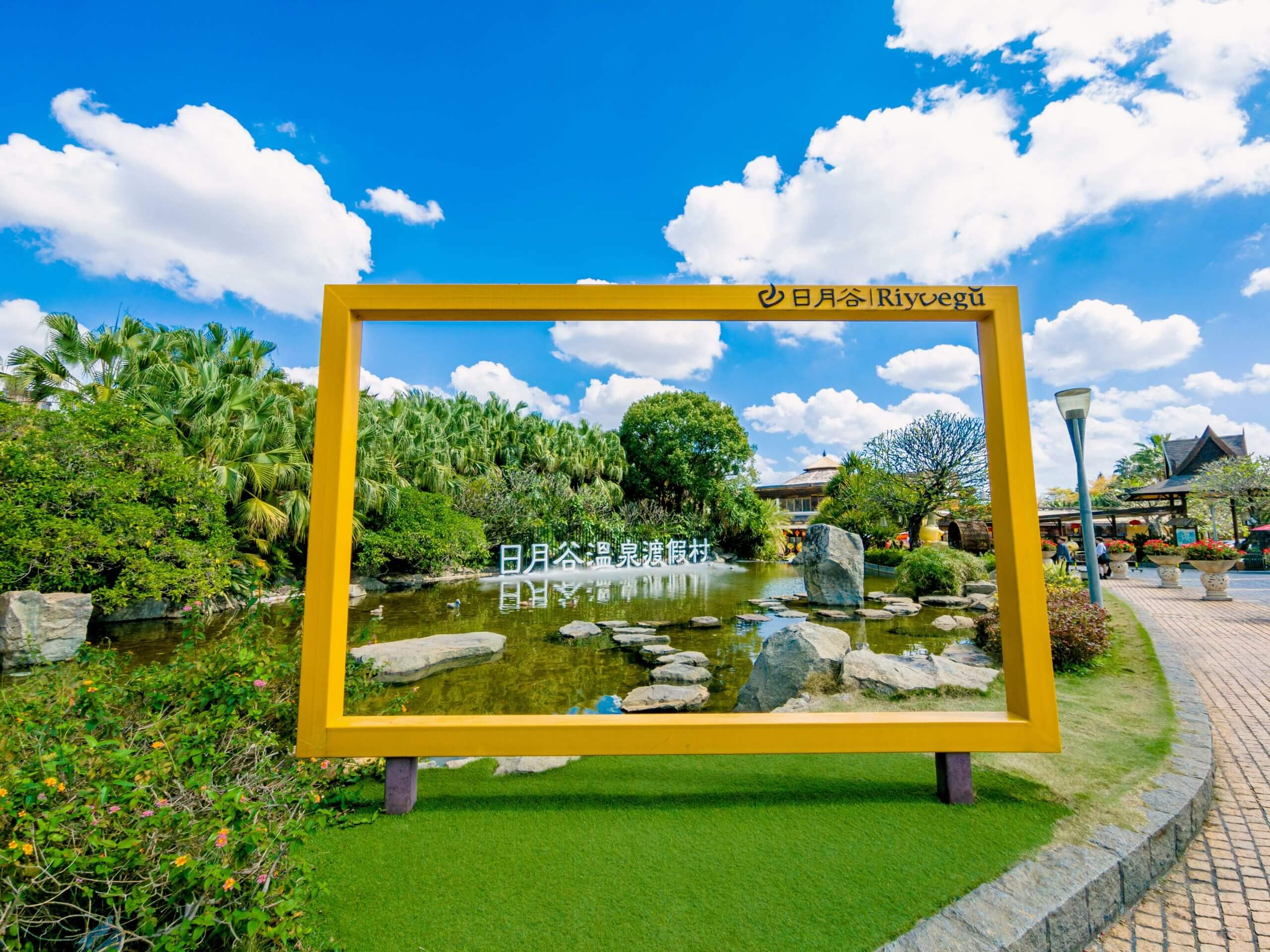
Things to do in Xiamen are shaped by the city’s island geography, treaty port history, coastal character, and everyday food culture. Rather than ranking attractions, this guide explains how activities across the city are structured.
It organizes experiences by category, explains how time blocks work, and outlines the decision logic that connects trip structure to travel style. The first part describes what exists and how it is categorized. The second part explains how different formats function within a trip.
Activity Categories
Island Geography and Coastal Character
Xiamen is a large coastal city in Fujian province, with most of its territory on the mainland. The central urban area where most activity concentrates sits on Xiamen Island and is connected to the mainland by bridges and causeways.
Gulangyu, one of Xiamen’s attractions, is a small car-free island reached by ferry from Xiamen Island. It combines pedestrian lanes, colonial-era architecture, coastal viewpoints, and several small museums. The island is compact but dense, and a complete experience typically takes a full day. The experience centers on walking, observing architectural details, and navigating areas that mix residential life with tourism infrastructure.
Beaches exist but are urban rather than remote. They function as public recreational spaces used by residents and visitors alike.
Historical and Cultural Layers
Several museums cover local history, maritime culture, and overseas Chinese emigration. Individual visits are typically short—one to two hours.
Hot Spring Parks
Everyday Urban Recreation
Other recreation options include beaches used for casual swimming, smaller coastal walking routes, and neighborhood sports facilities that visitors occasionally access.
Food and Everyday Life
Time Blocks and Decision Logic
How Time Blocks Work
In Xiamen, most meaningful activities occupy half-day or full-day blocks. Choosing one means not choosing another during that time period. This is structural, not evaluative. The activities differ in what they offer and how long they take, not in importance.
Full-day blocks (6–8 hours including travel and transitions):
- Gulangyu Island exploration
- Extended coastal cycling routes
- Combined Nanputuo Temple visit and mountain hiking
Half-day blocks (3–5 hours including travel):
- Nanputuo Temple grounds
- Old town and university area walking
- Hot spring parks
- Coastal path segments
- Neighborhood exploration
- Market visits and food-focused exploration
Shorter activities (1–2 hours):
- Individual museums
- Specific temple visits
- Tea house experiences
- Beach visits
A two-day trip provides approximately four half-day blocks. A three-day trip provides six. A four-day trip provides eight. This structure clarifies what can fit within available time.
Matching Activities to Trip Structure
Different trip structures suit different activity combinations.
Short trips (2–3 days) are commonly structured around:
- Activities specific to Xiamen’s character (island geography, colonial history, seafood culture)
- Higher-density experiences that provide clear sense of place
- Activities concentrated in central areas to minimize transition time
Longer trips (4+ days) are commonly structured around:
- Activities that require dedicated time blocks (hot spring parks, extended cycling, day trips)
- Slower-paced exploration (extended neighborhood walking, multiple tea culture experiences)
- Mainland areas of Xiamen that involve longer travel times from the island center
Layover or very short visits (6–8 hours):
- Single focused experience rather than attempting coverage
- Activities that don’t require extensive walking or navigation
- Experiences that function as complete units (hot spring visit, focused food tour, single scenic area)
How Different Travel Styles Work
Travel style determines which activity categories receive more time.
Observation-focused travelers allocate more blocks to:
- Island and coastal scenery
- Historical and architectural sites
- Temple grounds and viewpoints
- Museums and cultural exhibitions.
Participation-focused travelers allocate more blocks to:
- Markets and food experiences
- Neighborhood exploration
- Physical activities (cycling and coastal walks)
- Tea culture and local interactions.
Mixed-mode travelers work differently. They alternate between observation and participation, or combine elements within single time blocks—a temple visit followed by a market lunch, or coastal cycling with beach stops. Hot spring parks, tea culture experiences, and extended neighborhood exploration work across both modes, combining physical engagement with observation of place and culture.
How Group Composition Affects Activity Selection
Common Structural Patterns
Certain activity combinations recur in practice because they balance different modes of engagement and manage transition time efficiently.
Pattern 1: Gulangyu day + Xiamen Island activities
- Day 1: Gulangyu (full day)
- Day 2: Temple and neighborhood exploration on Xiamen Island (half-day each)
Pattern 2: Observation and participation alternation
- Morning: Temple or scenic area (observation)
- Afternoon: Market and food exploration (participation)
Pattern 3: Variable pacing across trip
- Days 1–2: Higher-density activities in central areas
- Days 3–4: Mainland Xiamen activities (hot spring parks, regional sites) or slower-paced exploration
These patterns reflect logistical efficiency and mode variation, not prescribed routes.
How Timing Affects Activity Experience
Some activities function differently depending on when they occur during a trip or within a day.
Early in trip: Higher energy and orientation needs. Activities with clear structure and recognizable landmarks (Gulangyu, Nanputuo) provide anchoring
Later in trip: Greater familiarity with navigation and local context. Neighborhood exploration and less-structured activities become more accessible.
Time of day: Morning hours support activities requiring sustained attention or physical movement. Afternoon and evening hours suit food-focused activities, waterfront observation, and leisure facilities. Coastal cycling and beach visits work better in early morning or late afternoon to avoid midday heat.
Using This Framework
The goal is to understand:
- What categories of activities exist
- How time blocks function
- How different structures match different travel styles and group types
What you actually choose depends on your own preferences, available time, and group composition. The framework provides decision logic, not decisions. Used carefully, it allows different travelers to structure time in Xiamen coherently rather than reactively.

Whether a hot spring visit belongs in a Xiamen itinerary depends on the kind of trip you’re taking. Hot spring visits occupy a different space than temple walks, island exploration, or market browsing. They require a time commitment, suit different travel styles, and deliver a different kind of experience. For some itineraries and traveler types, they fit naturally. For others, they don’t make sense at all.
Xiamen offers multiple ways to spend time, and hot springs visits are one of them. It is typically experienced as a dedicated half-day excursion rather than a choice among many city-centre options. Hot spring visits sit alongside temple visits, old town exploration and coastal walks as one of several standard half-day options.
This is not about priority or importance. It is about match.
Understanding how activities in Xiamen are structured into half-day and full-day time blocks helps clarify where a hot spring visit sits alongside other options.
What Hot Spring Visits Actually Are
Hot spring facilities in the Xiamen area are commercial leisure complexes rather than natural wilderness sites. Most are designed as large-scale parks with multiple pool environments, wellness facilities, swimming areas, and dining options—operating more like leisure parks than traditional bathhouses.
The experience involves moving between different zones at your own pace: thermal pools, active water areas, rest spaces, or dining areas. Some visitors focus primarily on soaking. Others spend time in family-friendly zones, getting a massage, or alternate between different types of pools. The variety allows groups with different interests to stay in the same location while doing different things.
A typical visit lasts half a day or longer and is similar in time commitment to visiting Nanputuo Temple or exploring old town neighborhoods. The difference is the mode of engagement: hot springs are designed for flexible, self-directed time rather than following a set route or sequence.
What Makes Hot Springs Different
Hot springs require similar time blocks to visiting Nanputuo Temple, exploring old town neighborhoods, or walking sections of the coastal path—roughly half a day including travel.
Whether that kind of half-day commitment makes sense depends largely on how long you are in Xiamen and how much flexibility your itinerary allows.
The difference isn’t duration, but what you’re actually doing.
Activities like Gulangyu Island, Nanputuo Temple, Xiamen University’s old campus area, and the city’s markets involve observing, walking, and engaging with architecture, history, food, or everyday life. You’re moving through environments and absorbing information about place and culture.
Hot springs work differently. You stay in one location and move between different environments within that space—pools at different temperatures, rest areas, dining spaces. The focus is on direct physical experience rather than observation. You’re choosing your own rhythm and sequence rather than following a route or prescribed order.
Neither approach is better or worse. They serve different purposes and appeal to different preferences. The question is which type of activity suits your trip.
Who Hot Springs Suit
Hot springs work well for travelers who value variety in how they spend time and have flexibility in their schedule. With four or more days in Xiamen, you can dedicate half a day to a hot spring facility without sacrificing time in the city’s main areas.
They’re particularly well-suited to multi-generational groups where energy levels and mobility vary. While some family members explore active areas like Gulangyu or hike up from Nanputuo Temple, others might prefer something gentler. Hot springs accommodate this without requiring the group to split up. Everyone can be in the same location while engaging at their own pace.
Travelers who already include bathing culture as part of how they travel — whether through onsen visits in Japan, jjimjilbang in Korea, or similar experiences elsewhere in East Asia — will find the format immediately familiar. If that kind of activity has suited you before, it is likely to suit you here.
Hot springs also suit travelers who prefer to vary their activities rather than focusing on one type of experience throughout their trip. Similarly, if you’re on a repeat visit to Xiamen and want to explore beyond the well-known areas, hot springs offer a different experience.
For travelers with very limited time, perhaps on a six-to-eight-hour layover for instance, a focused hot spring visit can become the single experience you prioritize. Rather than rushing into the city center for fragmented sightseeing, you commit to a single, complete experience in one location. In this scenario, a single contained experience often makes more sense than attempting to cover multiple areas of the city.
Who They Don't Suit
Hot springs don’t align well with every travel style or timeframe. On a first visit to Xiamen with two to three days, most travelers prioritize activities that offer more direct engagement with the city itself—Gulangyu Island, Nanputuo Temple, the Xiamen University area, coastal paths, and neighborhood exploration. These activities provide more exposure to local culture and everyday life.
If you travel primarily to see new places, engage with unfamiliar environments, or maximize exposure to local culture, spending half a day at a leisure facility may not suit your travel style. Hot spring parks in the Xiamen area are part of a broader regional leisure tradition common across East Asia, and the experience differs in format from sightseeing-based activities rather than in cultural relevance.
Hot springs also don’t suit travelers on tightly structured itineraries. The activity doesn’t combine smoothly with Xiamen’s major sights on the same day if you’re planning depth of engagement. Gulangyu rewards several hours of unhurried exploration. Nanputuo and the surrounding trails are time-intensive if you want to experience them properly. Attempting both a hot spring visit and one of these sites in a single day typically results in rushed experiences.
The time commitment itself is a factor. Most hot spring parks are located 30 to 60 minutes outside central Xiamen by taxi or ride-hailing service. This isn’t a significant barrier, but it does mean you’re committing to a distinct outing rather than adding something along an existing route.
Making the Decision
A hot spring visit is a different category of experience that appeals to specific travel styles and trip structures. Whether it belongs in your Xiamen itinerary comes down to one question: does the format suit how you want to spend part of your trip.
If the description of what hot springs involve—moving between pools at your own pace, spending extended time in one location—sounds appealing, and you have the time to include it without sacrificing experiences you value more, then yes, it belongs in your trip. If that description sounds uninteresting, then it does not.
There’s no universal answer. The question is personal, and the honest answer comes from understanding what you are actually choosing between.
Xiamen has a subtropical coastal climate shaped by maritime air, seasonal rainfall, and relatively mild temperature variation across the year. Summers are warm and humid, winters are mild, and conditions shift gradually rather than dramatically. Most outdoor activities remain available throughout the year, but the way people move through them shifts with weather, humidity, and time of day.
Hot spring facilities in this part of East Asia typically operate as large, attraction-scale leisure environments rather than single-purpose baths. They usually combine indoor and outdoor areas, multiple pool types, shaded and open zones, and rest, wellness, dining, and leisure spaces. Because of this structure, seasonal conditions and time of day shape how hot spring parks are used, without changing their place in a Xiamen itinerary.
Seasonal and daily conditions affect usage, but hot spring parks remain a standard activity option in Xiamen.
This matters because including a hot spring visit in a Xiamen itinerary is a question of fit and time commitment, not seasonality or weather.
How Hot Spring Parks Adapt Across Conditions
Hot spring parks in and around Xiamen are designed to function across a wide range of environmental conditions. This flexibility comes mostly from how these parks are built, rather than from seasonal programming.
Most parks offer pools at different temperatures. Warmer and cooler pools coexist within the same facility, and temperatures may be adjusted seasonally without altering the overall layout. This allows visitors to move between pools as conditions change, rather than committing to a single temperature.
Outdoor pools are interspersed with shaded areas created by landscaping, pavilions, or built structures. Circulation paths between zones may be partially or fully covered, and rest areas are commonly protected from direct sun or rain. In addition to outdoor soaking areas, parks often include indoor pools, thermal rooms, wellness spaces, and indoor dining or leisure areas, allowing continuity of use regardless of external conditions.
Facilities usually contain a mix of active water areas, quieter soaking pools, rest zones, and social or family-oriented spaces. Visitors may shift how they spend their time depending on conditions, but the experience holds together because all zones remain accessible within one location.
Specific offerings vary between parks, but this multi-zone structure is common across facilities in the region.
Spring and Autumn: Baseline Usage
Periods with moderate temperatures and stable weather tend to represent baseline usage patterns. During these times, visitors typically make balanced use of both indoor and outdoor areas, moving freely between zones without strong constraints imposed by heat, humidity, or cooler air.
Visits commonly occupy a half-day block, including travel to and from the park and time spent moving between different facilities. Arrival and departure times are not influenced by temperature constraints—visitors enter at various points across the day based on itinerary preference. Some arrive mid-morning, others in the evening, departing when their visit feels complete.
This reflects how hot spring parks tend to be used when external conditions place little pressure on how visitors move through the space.
Summer: Selective Adjustment, Not Exclusion
In summer, hot spring use in Xiamen does not disappear or become exceptional. Instead, it shifts internally.
Compared to baseline patterns, visitors tend to spend their time differently within the same facility. Shaded pools, covered walkways, indoor areas, and cooler-temperature pools see increased use, while time spent in fully exposed outdoor zones may be shorter or interspersed with longer breaks in sheltered areas. The overall visit may be more selective—focusing on specific zones rather than moving through all areas—or maintained at similar length by spending more time indoors.
Arrival times also shift, with more visitors entering in the morning or evening while temperature is milder.
These patterns mirror broader behavior across Xiamen in summer. Coastal walks, temple visits, and neighborhood exploration are all affected by heat and humidity, leading people to pace themselves differently and seek shade. Hot spring visitors make similar adjustments, gravitating toward covered walkways, cooler pools, and sheltered rest areas.
The visit itself remains the same. What changes is how space within the facility is used and when people choose to arrive.
Winter: Shift in Emphasis, Not Role
During cooler months, outdoor pools remain well-used. The contrast between warm water and cool air becomes part of the experience. Visitors tend to linger longer in warm pools, and movement between zones becomes less frequent. People settle into areas for extended periods rather than circulating frequently.
This does not change the planning status of a hot spring visit. It remains a half-day leisure activity, occupying the same place in an itinerary as it does year-round.
Rain and Weather Variability: Exposure Sensitivity
Weather variability affects activities in Xiamen unevenly. Walking-heavy experiences—such as Gulangyu Island exploration, coastal promenades along Huandao Road, or extended wandering through temple grounds and old neighborhoods—are more sensitive to rain and wind because they rely on sustained outdoor movement between multiple locations.
Hot spring parks work differently. As contained environments with indoor facilities, covered circulation between zones, and on-site dining and rest areas, they are less sensitive to short-term weather changes. Rain may alter how visitors move between zones—spending more time indoors, using covered pathways more heavily, or using shaded pools—but it does not fundamentally disrupt the visit or require major re-planning.
Hot spring parks are planned as half-day activities within itineraries, not added opportunistically based on weather. This lower sensitivity comes from how the parks are structured, not from last-minute planning decisions.
What Does Not Change Across Seasons or Across the Day
Despite seasonal and daily variation, several core characteristics remain constant.
Hot spring visits continue to occupy a half-day time commitment within Xiamen itineraries. Facilities remain located outside the city center—typically in mainland districts such as Haicang, Tongan, or Jimei—requiring dedicated travel rather than functioning as incidental stops. The experience consistently takes place within a single, multi-zone location rather than across dispersed sites.
Choosing a hot spring visit still involves a trade-off: it takes the place of another half-day activity rather than being layered on top of several others. Its planning status remains that of one standard option among many, comparable in time commitment to visiting Nanputuo Temple, exploring old town neighborhoods, or spending time along the coast.
Within the day, visitors arrive and depart at different points depending on their broader itinerary and personal rhythm. Different zones within the park are used more heavily at different times—mornings may see quieter soaking areas more occupied, while afternoons bring families to active water zones, and evenings shift use back toward rest and thermal spaces. Time of day shapes how spaces are used during a visit, without affecting whether or how the visit is planned in advance.
Conclusion
In Xiamen, hot spring parks function as a year-round activity category embedded within the city’s broader leisure landscape. Seasonal conditions and daily rhythms shape usage patterns inside these facilities, but they do not alter their legitimacy or role.
Rather than appearing or disappearing with the weather, hot spring parks adapt through their structure, allowing visitors to adjust pacing, exposure, and emphasis. They remain one of several standard ways to spend time in Xiamen—neither seasonal necessities nor fallback options, but stable components of how visitors structure their days across the year.
Xiamen offers a relatively stable set of activity types—coastal scenery, historical sites, temple grounds, markets, neighborhoods, and leisure environments. What varies is not what exists, but how smoothly different groups can engage with these activities. The same ferry route, temple climb, or island exploration functions differently depending on who needs to move together, how energy levels align, and what coordination is required.
This article examines how group composition—specifically the number of people, age spread, mobility differences, and energy variation—creates different structural constraints when navigating Xiamen’s activity landscape.
These constraints matter because activities in Xiamen are not interchangeable. They fall into distinct formats and time blocks, which interact differently with group size, mobility, and coordination.
Couples and Small Adult Groups
Couples and small groups of adults traveling together share structural characteristics that create low friction across most of Xiamen’s activity types. Decision-making involves fewer people, reducing negotiation time. Energy levels and walking pace tend to align, even when individual preferences differ. Mobility is generally uniform, allowing the group to move as a single unit without accommodating significant physical variation.
The primary challenge is agreeing on interests, not managing logistics. Once a decision is made, execution is straightforward.
These characteristics mean activities requiring continuous movement, sequential progression, or sustained physical engagement function smoothly. Ferry-dependent attractions like Gulangyu, temple complexes with elevation changes such as Nanputuo, and extended coastal walking routes all work efficiently when everyone moves together naturally. Market visits and neighborhood exploration benefit from the same coordination ease—the group can pause, adjust, or change direction without creating friction.
This baseline establishes how activities function when group characteristics align and coordination costs remain low.
Families with Children
Families traveling with children introduce variables that modify how baseline activities function.
Energy levels now vary significantly within the group—children’s stamina fluctuates unpredictably, often collapsing suddenly rather than declining gradually. Attention spans differ substantially. Visual and historical content—architecture, heritage sites, cultural exhibitions—holds adults’ attention through sustained observation, while children’s engagement is sensory and immediate. Activities requiring prolonged focus without clear endpoints or physical interaction create restlessness. Physical boundaries become important. Children need defined spaces where movement can be less controlled without safety concerns.
Ferry-dependent attractions like Gulangyu, which couples navigate smoothly, become more complex. Fixed boarding times must account for bathroom needs and attention span limits. Once across, linear walking routes that couples complete continuously require frequent breaks—not because the route is longer, but because children’s pacing is unpredictable and their engagement with architectural or historical content is limited. Temple climbs transform similarly. What couples experience as sustained physical effort becomes, for families, negotiation around rest stops, fatigue complaints, and potentially carrying younger children partway.
The constraints families face—variable energy, fluctuating attention, safety concerns—create demand for different activity characteristics. Defined physical boundaries reduce constant supervision needs. Natural stopping points allow energy management without disrupting flow. Environments supporting parallel engagement let children occupy themselves in visible range while adults rest or observe nearby.
Multi-zone environments solve this structurally. Parks, botanical gardens, beaches, and other contained leisure environments allow families to settle into one location while supporting different activity levels. Hot spring parks operate on similar principles, with defined zones that allow parallel engagement—children using play or active water areas while adults remain nearby in rest or soaking spaces. Everyone is in the same place, but no one is forced to do the same thing. Markets function best when visits focus on short, sensory-rich moments—trying street snacks or watching food preparation—rather than extended browsing.
The key structural change: families can visit the same activities couples do, but those requiring sustained linear movement or fixed attention demand more planning and flexibility than those offering natural breaks, defined boundaries, and parallel engagement opportunities. These characteristics do not make any activity necessary for families; they simply explain why some formats introduce higher coordination overhead than others.
Multi-Generational Groups
Multi-generational groups—typically grandparents, parents, and children traveling together—add an additional constraint beyond what families manage: fundamentally different mobility capabilities across generations.
Walking tolerance varies significantly. Some members navigate stairs and extended routes without difficulty; others find sustained elevation genuinely tiring or manage shorter distances more comfortably. Older adults may have reduced stamina for long walks or avoid uneven terrain, while children tire quickly despite high energy. These aren’t just pacing differences—they are capability variations that affect which activities remain accessible to all members.
This creates planning problems families don’t face. Family-level solutions—taking breaks, moving slowly, building in rest time—assume all members can complete activities at some pace. Multi-generational groups encounter a different reality: some activities may be impractical for certain members regardless of time allowed. Temple climbs with stairs can exclude members who avoid steep elevation. Ferry-dependent attractions involving extended walking on uneven terrain create situations where some members cannot comfortably complete the route while others are ready to explore further. The family solution of “take more time and rest more often” doesn’t resolve this. The constraint is capability, not time.
Activities requiring synchronized movement force a choice: either the group splits, with some members excluded, or everyone selects only universally comfortable activities, significantly narrowing options.
Single-location, multi-zone environments solve this structurally. Parallel engagement—different people doing different things in the same space—shifts from convenient (for families managing interest and energy) to essential (for multi-generational groups managing capability and comfort preferences).
Parks with mobility-accessible paths and distributed rest areas, botanical gardens with varied terrain options, and beaches with defined zones function similarly, though infrastructure supporting capability variation differs. Dining venues structured around prolonged sitting—tea houses, restaurants with courtyard seating—also support multi-generational groups by removing movement as a coordination factor entirely.
Hot spring parks represent another purpose-built example of this same structural approach. When physical capability varies across generations, zones must accommodate different mobility needs rather than simply different interests or energy levels. Older adults can use facilities where they can remain seated, parents move between pools that require more mobility, while children use active play areas. The design does not simply enable different activities; it ensures that physical capability does not exclude participation.
The structural advantage is that these environments decouple individual capability from group cohesion. Members engage at levels their mobility allows without fragmenting the group or limiting others.
How Group Composition Interacts with Time Blocks
Group composition doesn’t change how long activities take in theory. It changes how much buffer time, rest, and negotiation must be built around them in practice.
How much these coordination costs affect a trip depends heavily on how many days you have in Xiamen and how tightly those days are scheduled.
Couples and small adult groups can treat time blocks as relatively fixed. A half-day at Gulangyu or an afternoon temple visit occupies the planned time without significant adjustment.
Families introduce variability around time blocks, not because activities are longer, but because transitions and recovery are less predictable.
Multi-generational groups face the highest time variability. A coastal walk couples complete in two hours may take four when accounting for varied pacing preferences and rest frequency. Alternatively, groups may select activities where time doesn’t stretch unpredictably—single-location environments where duration is self-determined and no external schedule forces movement.
Planning must account for the structural constraints each group type encounters, which affects how confidently activities can be scheduled and how much flexibility must be preserved.
If you have encountered hot springs while travelling in Japan, Korea, or Taiwan, you already know that hot spring bathing is a normal part of leisure culture across this part of the world. What varies is the format: how facilities are designed, what the social norms are, and what a visit actually involves. Fujian has its own distinct format, shaped by the province’s geology and leisure traditions. This guide explains the regional context, what makes Fujian’s hot springs distinctive, and how they fit into travel planning for Xiamen specifically.
A Shared Geological Foundation — and Why Fujian Has So Many Hot Springs
Hot springs are abundant across East Asia’s coastal region for geological reasons. The entire southeastern coastal arc, running through Japan, Korea, Taiwan, and southeastern China, sits within a tectonically active zone where the Philippine Sea Plate subducts beneath the Eurasian Plate. This process generates heat at depth, drives fault systems toward the surface, and creates the conditions for groundwater to circulate deep underground, warm naturally, and rise as hot springs.
Fujian sits at the heart of this geothermal zone. Two-thirds of the province’s land area is underlain by Yanshanian granite (燕山期花岗岩), a heat-generating rock formation laid down during large-scale magma intrusions in the Mesozoic era. As groundwater percolates through fractures in this granite, it absorbs heat and picks up dissolved minerals from the rock, rising along fault lines as hot springs distributed in a bead-like pattern across the province. Fujian has over 200 exposed hot springs, giving it one of the highest concentrations of geothermal resources in China. Heat flow values in Fujian rank among the highest recorded along the entire southeastern coast.
Adapted from Liao et al. (2023), Frontiers in Earth Science. CC BY 4.0
This geology is not incidental to Fujian’s hot spring culture. It is the reason that culture exists. The province’s springs are abundant, geographically distributed, and produce water at moderate, consistent temperatures, characteristics that made large-scale leisure development practical and that continue to shape how hot spring facilities are built and used today.
How the Format Varies Across the Region
The same geological conditions that produce hot springs across East Asia have given rise to distinct facility formats and social practices in each country. Understanding these differences helps set accurate expectations before visiting Fujian.
In Japan, onsen culture is highly structured. Bathing is almost always nude and gender-segregated, with established etiquette around washing before entering pools and soaking quietly. Swimsuits are not permitted in traditional facilities. The experience is calm and ritual-driven, with facilities often located in dedicated onsen towns or rural areas, prioritising atmosphere over scale.
In Korea, the format is urban and multifunctional. Large jjimjilbang complexes combine hot and cold pools, saunas, sleeping areas, dining, and entertainment within a single building. Bathing areas are nude and gender-segregated, while shared relaxation areas use facility-provided clothing. The culture is informal and social, with people visiting for many hours or overnight. The emphasis is on convenience and versatility as everyday urban infrastructure.
In Taiwan, the approach is more relaxed and visitor-directed. Facilities range from compact neighbourhood bathhouses to large outdoor resort parks. Bathing practices vary by facility type: traditional bathhouses use nude, gender-separated bathing while larger outdoor parks often require swimsuits. There are no fixed rituals or schedules. Hot springs function as familiar domestic leisure, closely tied to weekend trips and regional travel.
China, including Fujian, is part of the same regional tradition. Hot spring bathing is a normal, multi-generational leisure activity embedded in how people spend time, not a niche wellness category or a tourist novelty. The specific format that developed in Fujian reflects both the province’s geology and its own leisure patterns.
What Makes Fujian's Hot Springs Distinct
Fujian’s hot spring format has its own defining characteristics that set it apart from the formats described above.
Facilities are typically large-scale outdoor parks set within landscaped environments, foothills, river valleys, or semi-rural areas outside dense urban centres. These parks contain dozens of pools at varying temperatures, landscaped grounds, rest areas, dining options, and often integrated leisure amenities or on-site accommodation. The emphasis is on space, capacity, and visitor-directed pacing. There is no prescribed sequence or schedule. Visitors move between pools and facilities at their own pace, spending as much or as little time as they choose in each area.
Bathing in Fujian’s major outdoor facilities is done in swimsuits, particularly where pools are mixed-gender or designed for families and groups. This makes the experience immediately accessible to international visitors unfamiliar with nude bathing customs elsewhere in the region. Rules are simple and clearly communicated, with minimal ceremony attached.
This format reflects Fujian’s specific geology directly. The province’s granite-hosted fault systems produce springs at moderate, consistent temperatures with clear, non-sulphurous water, characteristics well suited to large outdoor soaking environments and the extended, unhurried visits that define Fujian’s leisure parks. The water quality and temperature range support prolonged soaking in open-air settings across the year.
The Fujian Hot Spring Landscape
Hot spring facilities are distributed across Fujian, with concentrations in Xiamen, Longyan, Zhangzhou, Yongtai, and Liancheng. The provincial landscape includes both large outdoor parks and smaller traditional bathhouses, with quality and facility standards varying significantly across locations.
Most facilities were developed for domestic visitors, with Chinese-language signage, local payment systems, and service models that assume familiarity with bathing culture. This domestic orientation extends to marketing and online presence, with promotional efforts concentrated on local Chinese platforms rather than international booking channels.
For international travellers researching hot spring options in Fujian, the result is a visibility gap. Searching for hot springs in Fujian typically yields sparse English-language results, not because the category doesn’t exist, but because most facilities were not built with international discoverability in mind. They lack bilingual staff, English-language websites, or listings on platforms that overseas visitors typically use for research and booking.
This is not a quality assessment. Many facilities function well for their intended domestic audience. The gap is one of accessibility and visibility, not of quality or abundance. For international visitors, it means that the practically relevant question is not which of Fujian’s many facilities to choose, but which facilities have been designed or adapted to serve overseas visitors, with English support, international payment options, and presence on familiar booking platforms. These represent a smaller subset of the provincial landscape.
Hot Springs Within Xiamen
Xiamen sits within Fujian’s geothermal belt and has its own hot spring facilities, primarily located in the mainland districts of Haicang, Tongan, and Jimei, roughly 20 to 45 kilometres from the city centre. This placement reflects the same geological reality that shapes facility locations across the province: hot springs emerge where fault systems allow geothermal circulation, and large outdoor parks require space unavailable on the densely developed Xiamen Island.
The mainland location means a hot spring visit requires dedicated travel time, typically 30 to 45 minutes by taxi or ride-hailing service from central Xiamen. This makes it a planned half-day commitment rather than an incidental stop.
For international visitors planning a Xiamen itinerary, hot springs are a standard activity option. They occupy the same half-day time block as temple visits, coastal walks, and old town exploration. The difference is mode of engagement: rather than moving through environments and observing, a hot spring visit involves settling into one location and experiencing it through immersion and self-directed time.
For context on how hot springs fit within Xiamen’s broader activity structure, including time blocks and planning logic, see:
For a closer look at what a hot spring visit in Xiamen actually involves and whether it suits your trip: